

Alfresco is widely known for storing, organising, and managing enterprise documents. But when you combine Alfresco with Artificial Intelligence (AI), the platform becomes more powerful — capable of understanding documents, discovering insights, and automating manual work.
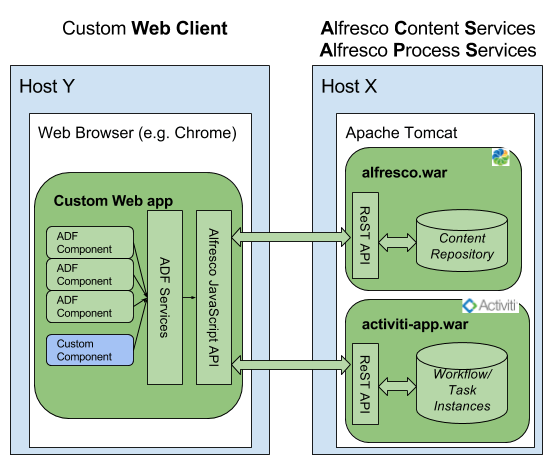
Alfresco is a powerful Enterprise Content Management (ECM) system that stores documents, manages metadata, controls versions, and helps businesses organize information. But by adding Artificial Intelligence (AI), Alfresco becomes more than a storage system — it becomes an intelligent content platform.
Below are the key things AI can do inside Alfresco in a simple way
1. Automatic Metadata Extraction
Most enterprises store thousands of documents—PDFs, scanned copies, handwritten forms, invoices, letters, and more.
Manually entering metadata (title, type, author, date, category) consumes huge time and is prone to errors.
How AI makes this smarter
AI uses technologies like OCR (Optical Character Recognition) and NLP (Natural Language Processing) to read and understand documents. It can automatically extract:
- Document titles, headings, and key paragraphs
- Customer names, employee names, and signatures
- Invoice numbers, PO numbers, contract dates
- Product details, quantities, tax amounts
- Organizational entities (departments, vendors, clients)
- Keywords and topic areas
Why this matters
- Reduces manual data entry by 70–90%
- Makes content instantly searchable
- Improves accuracy of document classification
- Helps workflows trigger automatically based on extracted data
- Reduces operational cost and avoids human errors
Metadata extraction is the foundation of intelligent content management.
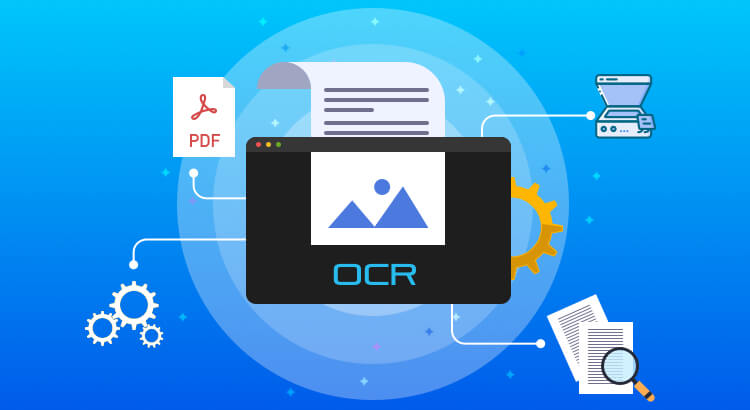
AI can read documents (PDFs, scanned images, photos, forms), understand the text inside, and automatically fill metadata fields like:
- Document type
- Invoice number
- Names, dates, amounts
- Address, company info
- Keywords
This removes manual data entry and makes content instantly searchable in Alfresco.
2. Document Classification
Every organization handles many types of documents: invoices, resumes, contracts, policies, legal notices, receipts, and HR forms.
Manually sorting these is slow and inconsistent.
How AI improves classification
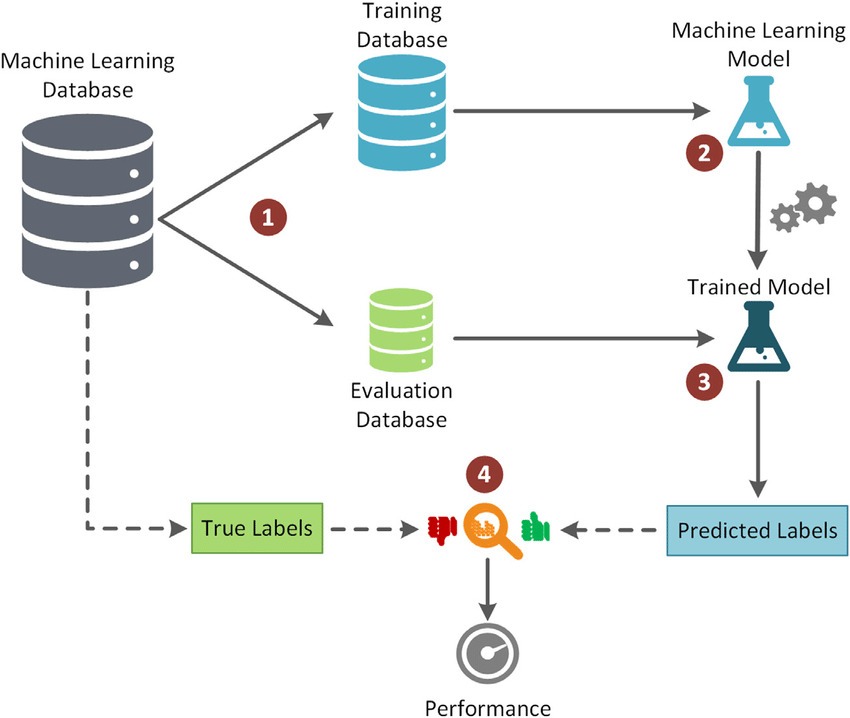
AI models analyze the document’s text, structure, layout, and even images to identify what type of document it is.
It can classify into:
- Financial documents (invoices, PO, receipts)
- HR documents (offer letters, resumes, appraisal forms)
- Legal documents (contracts, agreements, NDAs)
- Compliance documents
- Operational documents (audit reports, meeting minutes)
- Customer documents and application forms
Benefits
- Eliminates wrong file placements
- Keeps the repository clean and structured
- Helps apply correct workflows automatically
- Improves search accuracy
- Reduces dependency on user judgment
AI classification ensures Alfresco stays organized at large scale.
3. Smart Search & Semantic Search
Traditional search in ECM systems relies on exact keyword matching. If the user doesn’t know the exact term, they may never find the right document.
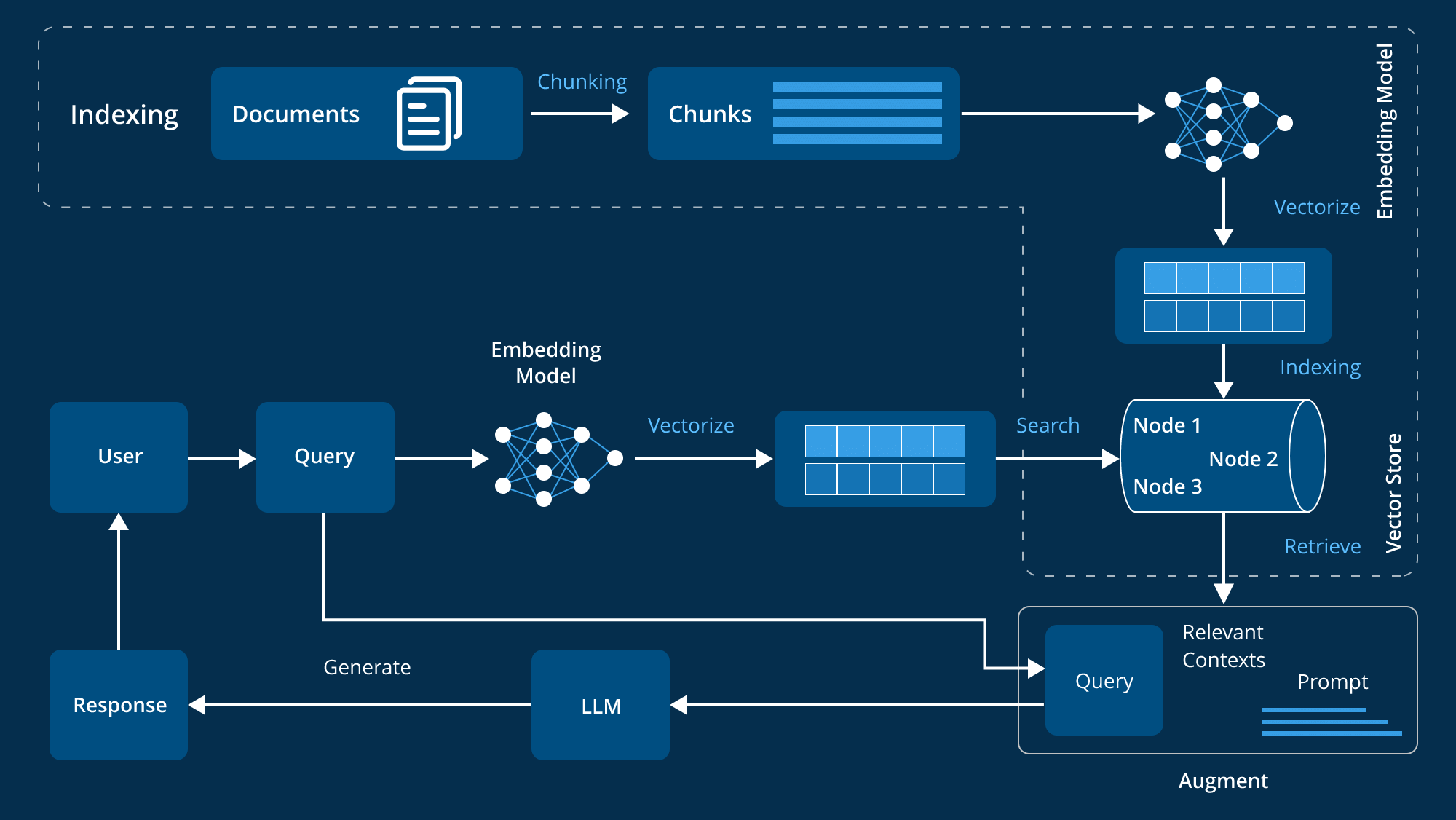
AI changes this completely through semantic search, which understands the meaning behind text.
What AI enables
- Search based on meaning, not keywords
- Retrieve documents that contain similar ideas
- Understand natural language questions
- Cluster related documents together
- Help users find hidden knowledge
Examples:
- User searches for “policies about leave rules”
→ AI finds HR policy documents even if the word “leave” is not used directly. - User searches “vendor contract renewal dates”
→ AI retrieves contracts containing obligations, expiry timelines, or renewal clauses.
Impact
- Helps industries like legal, HR, finance, and supply chain
- Makes Alfresco behave like an enterprise Google
- Saves time spent searching through hundreds of files
Semantic search turns Alfresco into an intelligent knowledge system, not just a file store.
4. Document Summarization
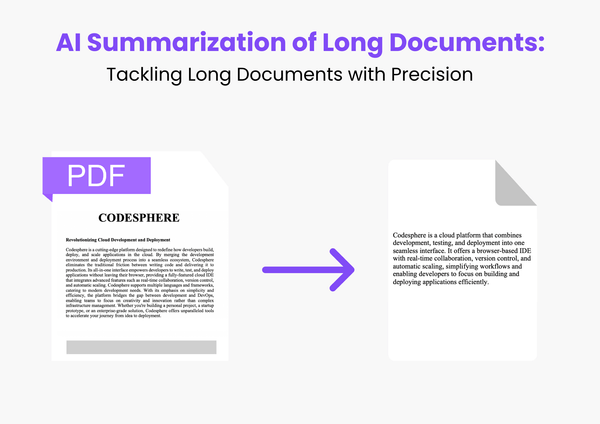
Many enterprise documents are long: policies, contracts, reports, and technical documents.
How AI helps
AI summarization reads the entire document and generates:
- Executive summaries
- Key bullet points
- Important clauses
- Duties and responsibilities
- Risks and warnings
- Actionable insights
For example:
- A 50-page contract can be summarized into 8–10 key points.
- A financial report can be condensed into a 1-page overview.
Why this is valuable
- Saves hours of reading
- Helps leaders make decisions quickly
- Useful for onboarding new employees who need document context
- Ensures important information is not missed
AI summarization makes Alfresco a productivity accelerator.
Managers and users can understand huge files in seconds.
5. Entity Detection & Sensitive Information Identification
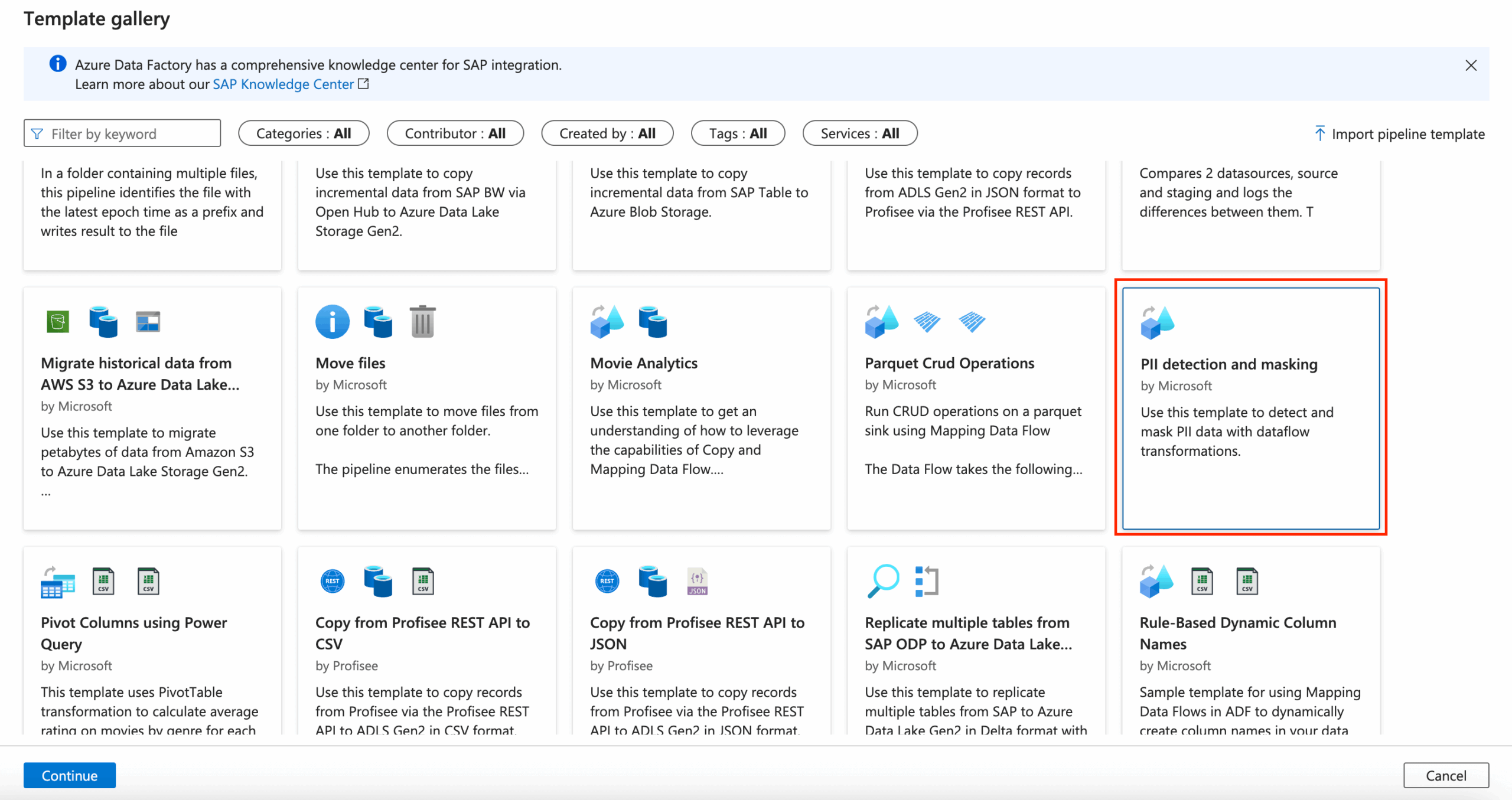
Organizations often store confidential or personal information:
- Aadhaar / PAN
- Phone numbers
- Addresses
- Salary or bank details
- Medical data
- Confidential business data
How AI works here
AI identifies and flags:
- PII (Personally Identifiable Information)
- Sensitive information
- Financial details
- Health-related data
- Corporate secrets
- Legal clauses with risk indicators
Benefits
- Strengthens compliance (GDPR, HIPAA, RBI, ISO)
- Helps automatically secure sensitive files
- Prevents accidental exposure or over-sharing
- Can trigger auto-redaction or encryption
- Supports audits and governance
This makes Alfresco a secure and compliant content manager.
6. Intelligent Workflows
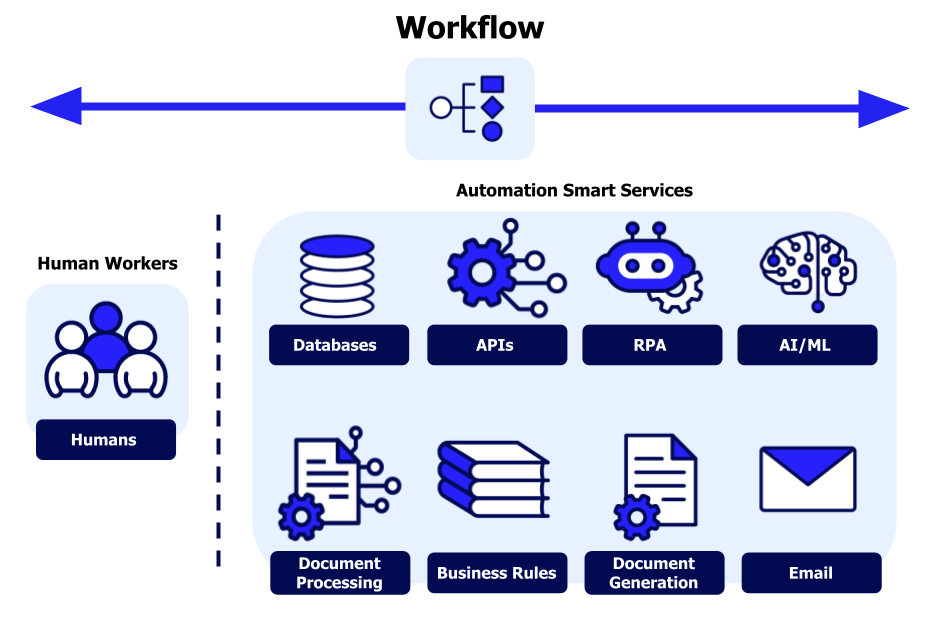
Alfresco workflows are powerful, but they usually depend on predefined rules.
With AI, workflows become smarter
AI can:
- Trigger workflows based on extracted metadata
- Detect incomplete or invalid documents
- Prioritize urgent files
- Recommend approval paths
- Auto-approve low-risk items
- Suggest reviewers
- Detect anomalies or policy violations
Examples:
- If AI recognizes an invoice, it automatically routes it to the finance team.
- If AI detects a confidential contract, it enforces restricted access.
- If AI identifies missing signatures, it flags the document for correction.
This improves speed, accuracy, and consistency across processes.
7. AI-Based Content Recommendations
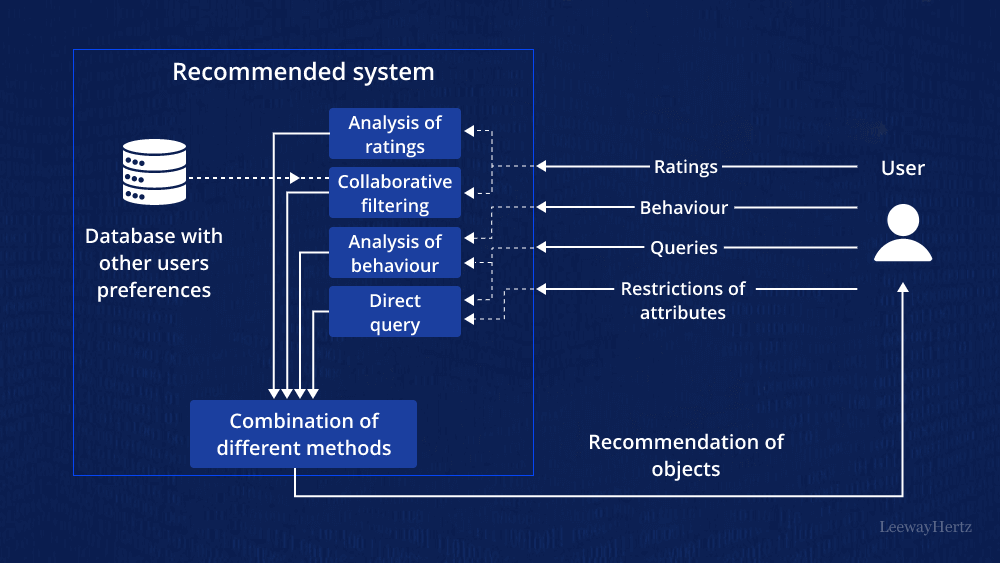
Finding related documents in large repositories is difficult.
AI solves this by recommending:
- Similar contracts
- Related project documents
- Historical versions or related reports
- Connected customer files
- Documents with matching keywords or entities
- Relevant policies or instructions
These recommendations help:
- New employees get context quickly
- Managers find previous similar work
- Teams understand the background of a project
- Users discover documents they didn’t know existed
Alfresco becomes a smart assistant, not just a library.
8. Chat with Your Documents (RAG / LLM)
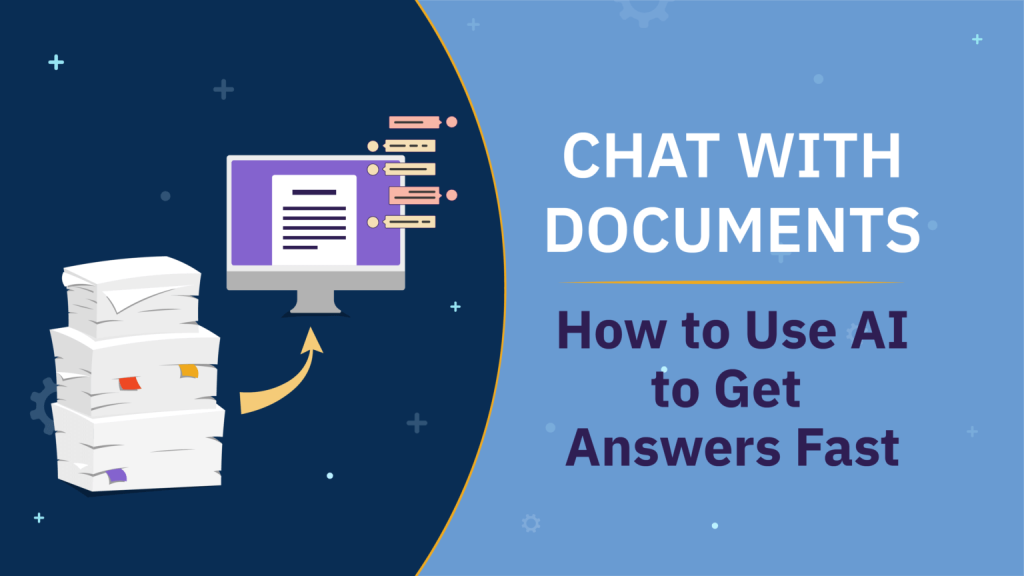
One of the most powerful AI additions is the ability to chat with your Alfresco documents.
How it works
AI reads all documents, learns their context, and allows users to ask:
- “What are the key obligations in Vendor Contract 2024?”
- “Summarize all HR policies for new employees.”
- “What risks does this contract mention?”
- “Show all documents related to the 2023 audit.”
AI retrieves relevant documents, analyzes them, and gives accurate answers.
Benefits
- Faster access to knowledge
- No need to read full documents
- Helps non-technical users get insights
- Makes Alfresco behave like a corporate ChatGPT for your files
This is the future of enterprise content management.
9. Image & Video Understanding

Not all files in Alfresco are text-based. Many companies store media: product photos, CCTV footage, marketing videos, scanned IDs.
AI capabilities
- Detect objects (cars, tools, equipment, logos, products)
- Recognize faces or people
- Identify text inside images
- Tag images using AI-generated keywords
- Extract scenes or actions from video
Use cases
- Insurance: analyze accident images
- Retail: product categorization
- Manufacturing: defect detection in images
- HR: extract info from ID cards
- Security: analyze CCTV videos
Alfresco becomes capable of handling all types of content, not just documents.
10. Compliance & Governance Support

Organizations must follow regulations and secure content properly.
How AI helps
- Identifies documents that must be retained
- Suggests retention periods
- Flags compliance risks
- Checks for missing mandatory fields
- Highlights outdated or inconsistent files
- Supports audits through automated reports
Results
- Stronger governance
- Fewer compliance violations
- Reduced manual checking
- Faster audit preparation
AI ensures Alfresco meets legal and regulatory requirements effortlessly.
Conclusion
AI transforms Alfresco from a content repository into a smart, self-organizing, searchable, and intelligent platform.
You can use AI in Alfresco to:
✔ Reduce manual work
✔ Improve accuracy
✔ Boost search and discovery
✔ Extract useful information instantly
✔ Strengthen security and governance
✔ Enable natural-language chat over documents
✔ Speed up business processes


